You will find how the local library in Orland, CA fits into community life, services, and history. It shows where people go for books, local records, programs, and reliable public services close to home.
This article guides you through the Orland Free Library, its past, and the programs that keep the town connected and informed. It points to practical ways the library supports learning, local history, and everyday needs.
1) Orland Free Library
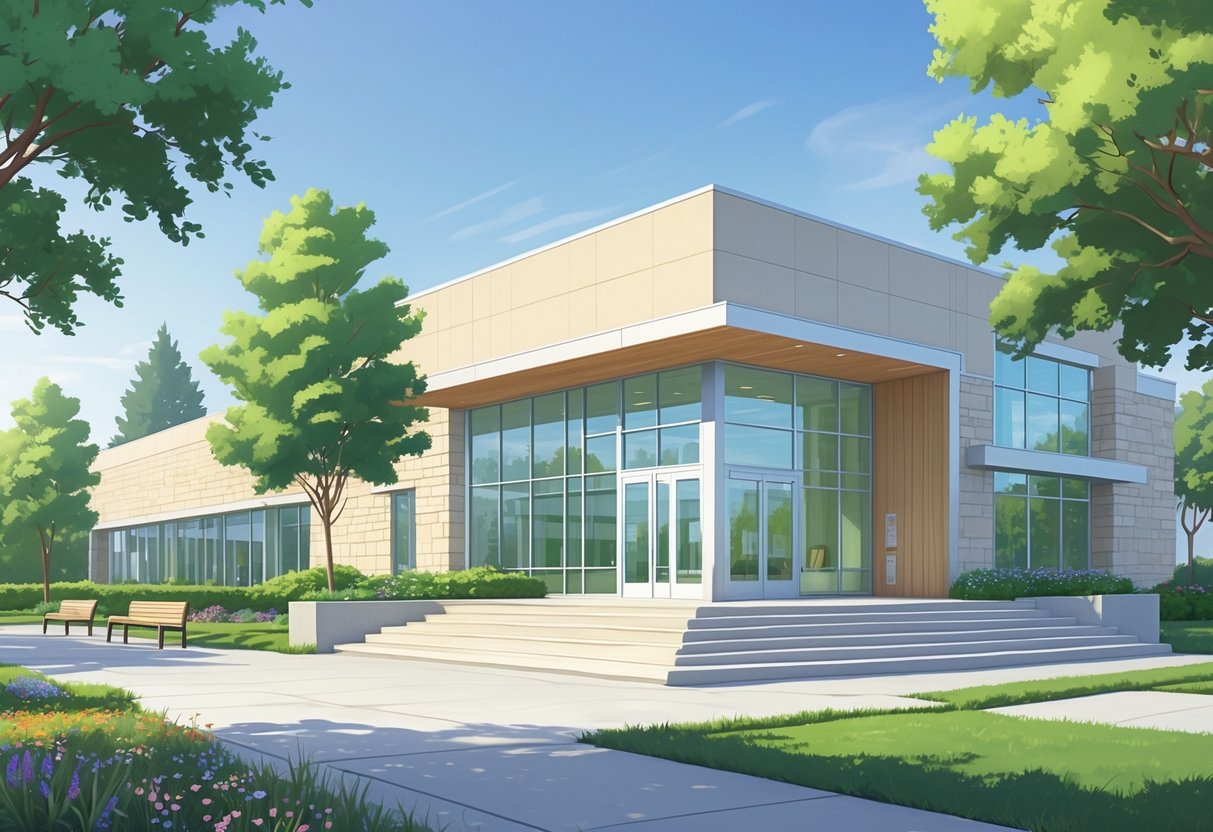
Orland Free Library serves the town of Orland and nearby communities with a small but useful collection. It offers a quiet place to read, study, and borrow books for all ages.
The library keeps regular hours most weekdays and opens Saturday afternoons. Staff help with finding materials and small research questions.
Programs and events appear on the library website and can include story times or local community activities. Visitors can also access basic online resources through the library’s portal.
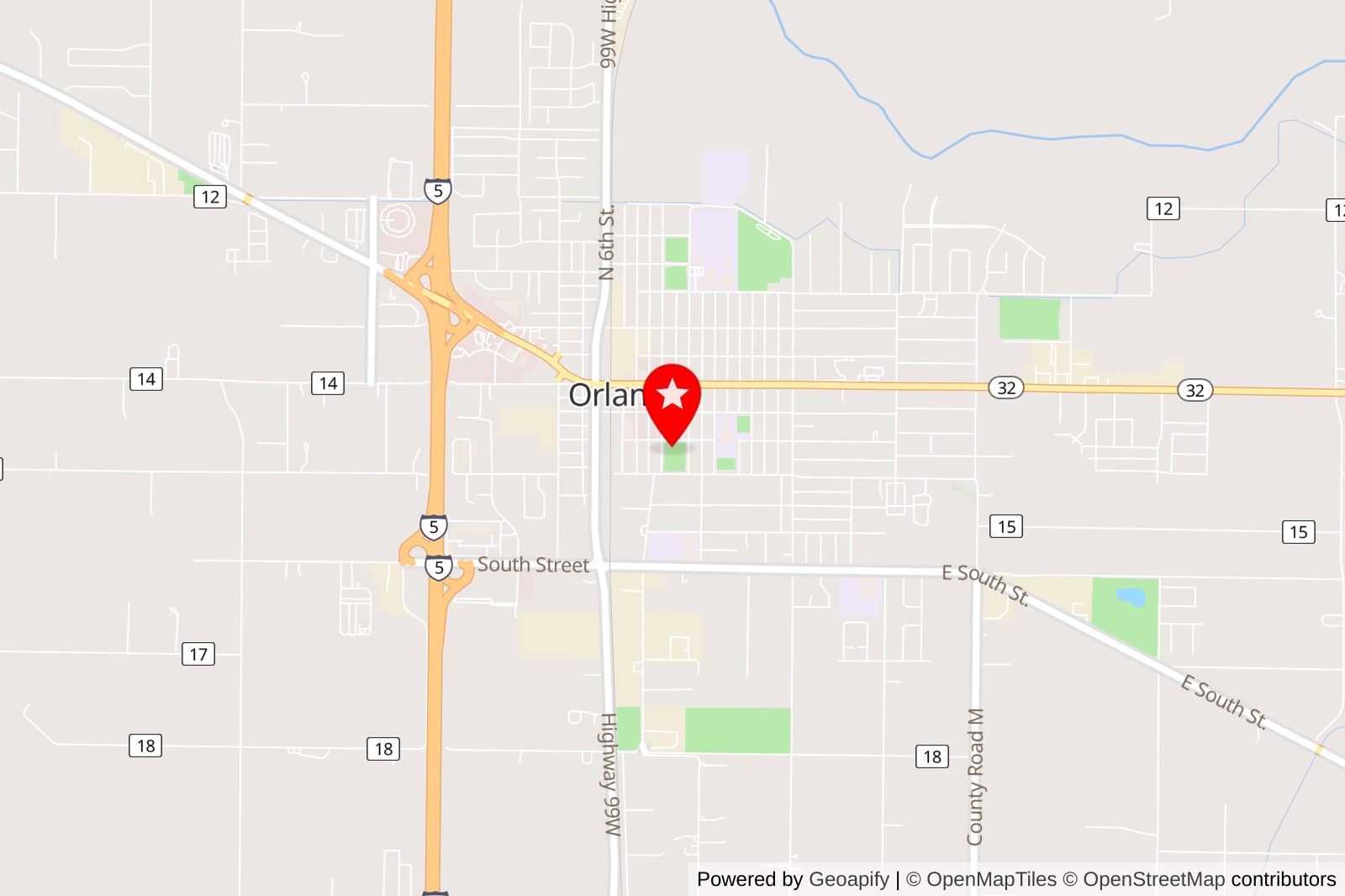
The building sits near the town center, making it easy to reach on foot or by car. Parking is available nearby and the library welcomes repeat visitors.
Rating: 4.9 (29 reviews)
Location: 333 Mill St, Orland, CA 95963
Contact: (530) 865-1640
Website: Visit Website
History Of The Orland Free Library
The library began as a local effort to bring books and learning to Orland residents and later moved into a purpose-built Carnegie building. Over time, the facility grew, gained new buildings, and adapted to community needs.
Establishment And Early Years
The Orland Free Library traces its roots to 1913 when the Orland Women’s Improvement Club organized library services for the town. Early collections circulated from small community locations until the town secured funding for a permanent building.
In 1918 the club accepted an $8,000 Carnegie grant to build a dedicated library. Construction finished in 1919 and the Carnegie library opened in 1920 on the site of the former Pabst Flour Mill. The brick building and the adjoining Library Park became a central civic space for reading, meetings, and local events.
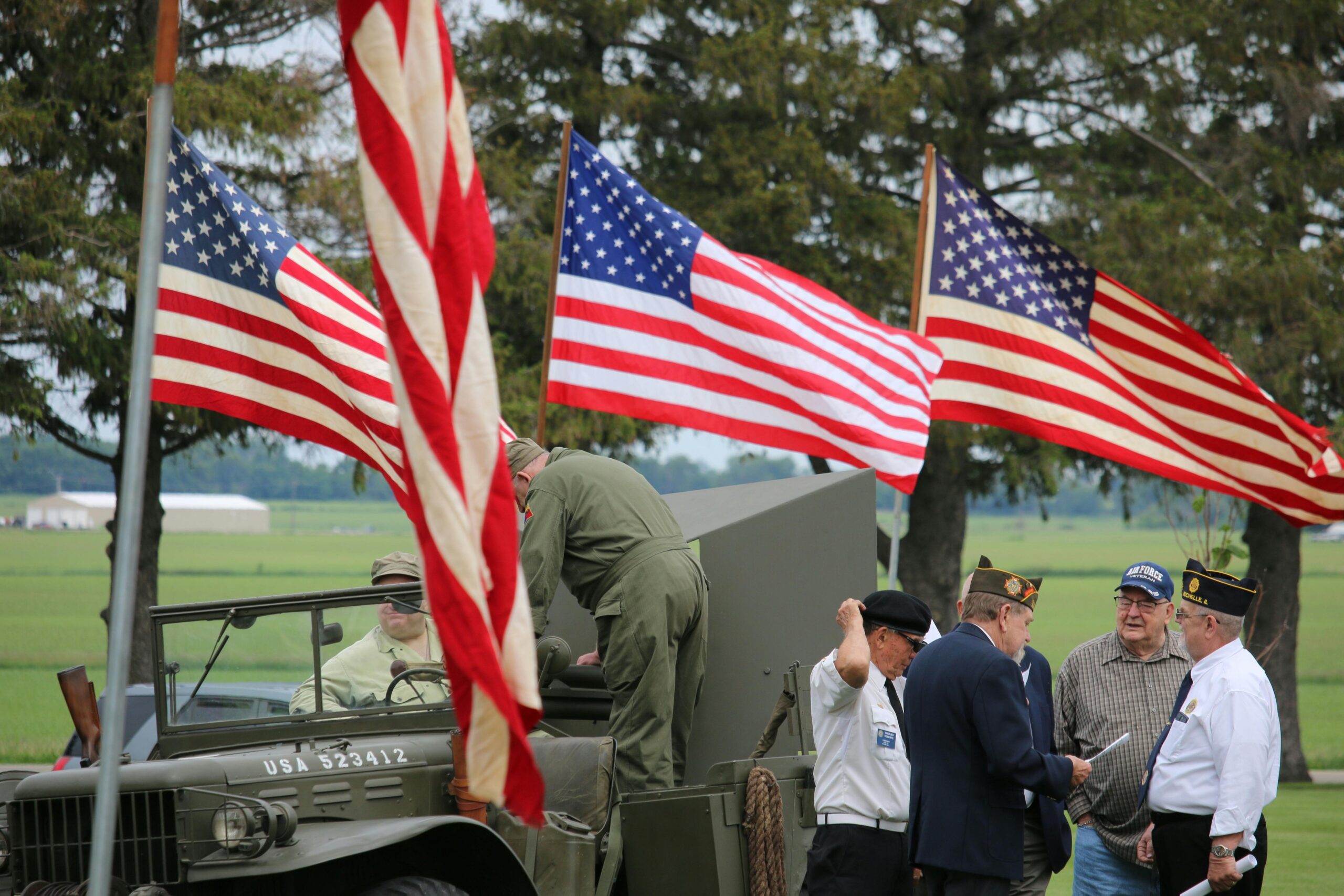
Local groups supported the library from the start. Civic ceremonies, flag presentations, and public talks marked the library’s role as a community anchor. The Carnegie building housed the town’s growing collection for decades before newer facilities were added.
Renovations And Expansions
By the late 1960s and early 1970s, the library needed more space to serve a larger population. In 1971 a larger adjacent building was constructed to expand services and accommodate modern library functions.
The original Carnegie building later found new life as a community center in the 1970s. The library complex continued to evolve with a dedicated restroom building added around 1958 and later public amenities added to Library Park, including an arch (2003) and gazebo (2008).
In 2013 the more recent library building received an extension to improve accessibility and increase program and shelf space. Today the Orland Free Library operates from 333 Mill Street, offering public programs, local history materials, and community meeting space while preserving its historic Carnegie legacy.
Community Programs And Resources
The library runs programs that help children learn to read, adults improve skills, and residents access computers and online resources. Programs include storytimes, one-on-one tutoring, classes, and public internet terminals.
Youth Literacy Initiatives
The library offers regular storytimes for babies, toddlers, and elementary-age children that build phonics, vocabulary, and listening skills. These sessions include read-alouds, songs, and simple crafts to reinforce language in a fun setting.
Summer reading events and special presentations, such as animal shows and fire department safety visits, encourage continued reading outside of school. The Friends of the Library fund many children’s activities and supply materials for programs like the annual Wild Things event.
One-on-one tutoring and volunteer-led reading help young readers who need extra practice. Staff and volunteers track progress and suggest age-appropriate books to match reading level and interests.
Adult Learning Opportunities
Adult learners can access free, one-on-one tutoring through regional literacy projects that focus on basic reading, writing, and spelling. These services help adults prepare for work, complete GED studies, or support family literacy goals.
The library hosts workshops and community talks led by guest speakers, local organizations, and the Friends group. Topics often include job skills, local resources, and civic information that matter to Orland residents.
Volunteer-run programs and partnerships with county literacy services make personalized help available without charge. Staff refer learners to nearby offices for more advanced instruction or workforce services when needed.
Digital Services
Public internet terminals are available for residents to use for job searches, schoolwork, and accessing government services. The library provides basic computer support and printing for common tasks like resumes and forms.
The collection includes physical media and digital options; patrons can request materials and get help using online catalogs. Library staff assist with setting up email, navigating websites, and using library databases when requested.
Wi‑Fi access extends to the library grounds, allowing patrons to work from personal devices. The library maintains updated hardware and offers guidance for common troubleshooting steps.