
You might think the two names look the same, but they point to very different places with different vibes, sizes, and histories. This article will guide you through why Orland, CA and Orlando, FL are not interchangeable and what to watch for when you see either name in conversation, travel plans, or news.
You will learn the key geographic and historical differences so you never mix them up again. Expect clear comparisons that show what makes each place unique and useful tips to spot which one someone means.
1) Orland
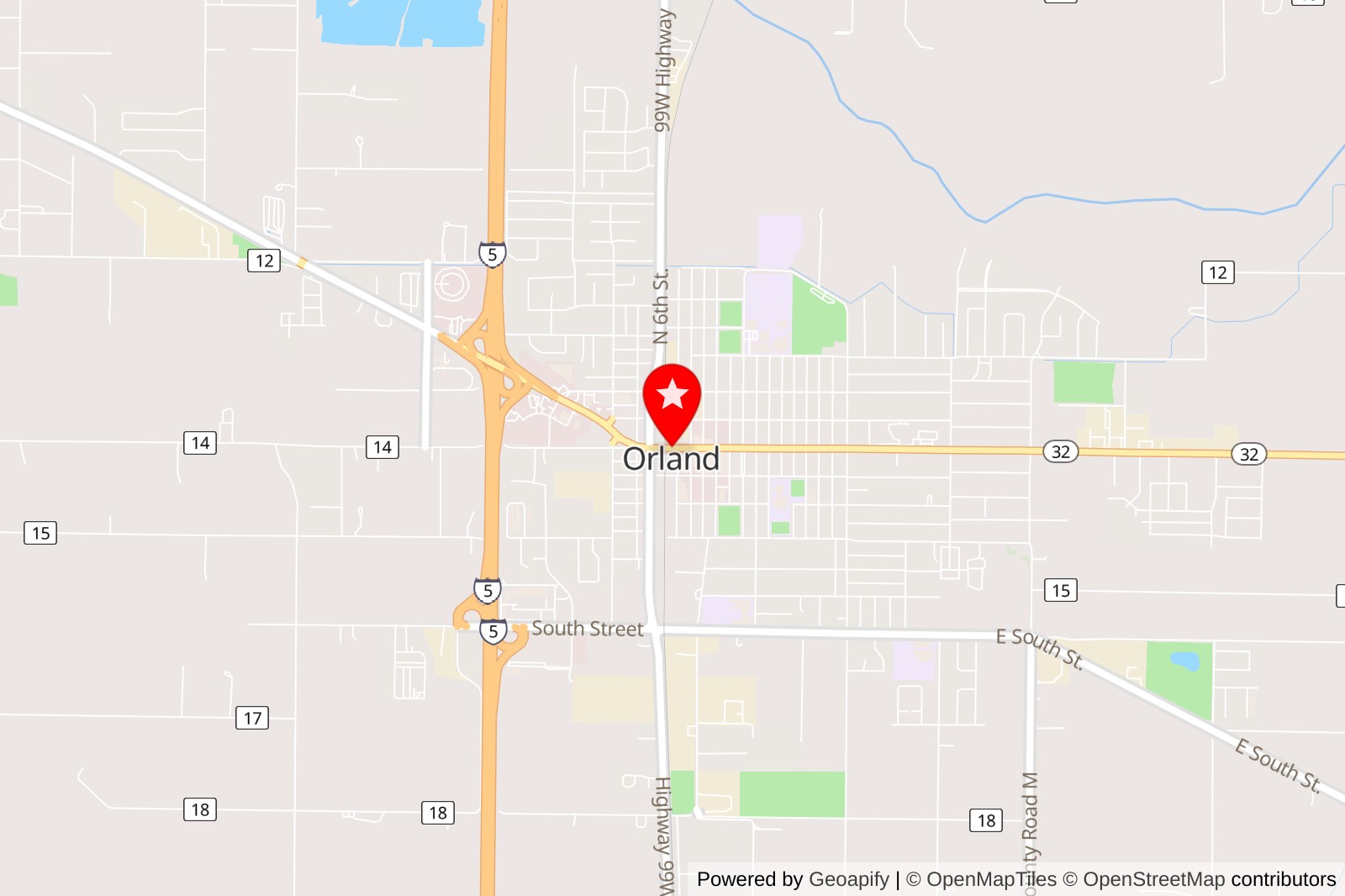
Orland is a small city in Northern California. It sits in a rural area with farms and open land nearby.
The town serves as a local hub for surrounding agriculture. People come for services, schools, and small businesses rather than big-city attractions.
Orland has a quiet, community-focused feel. Streets are less crowded, and travel times are shorter than in major metro areas.
It is easy to reach by car from other parts of the region. The setting and pace make it very different from large tourist cities.
Location: Orland, CA 95963
2) Orlando
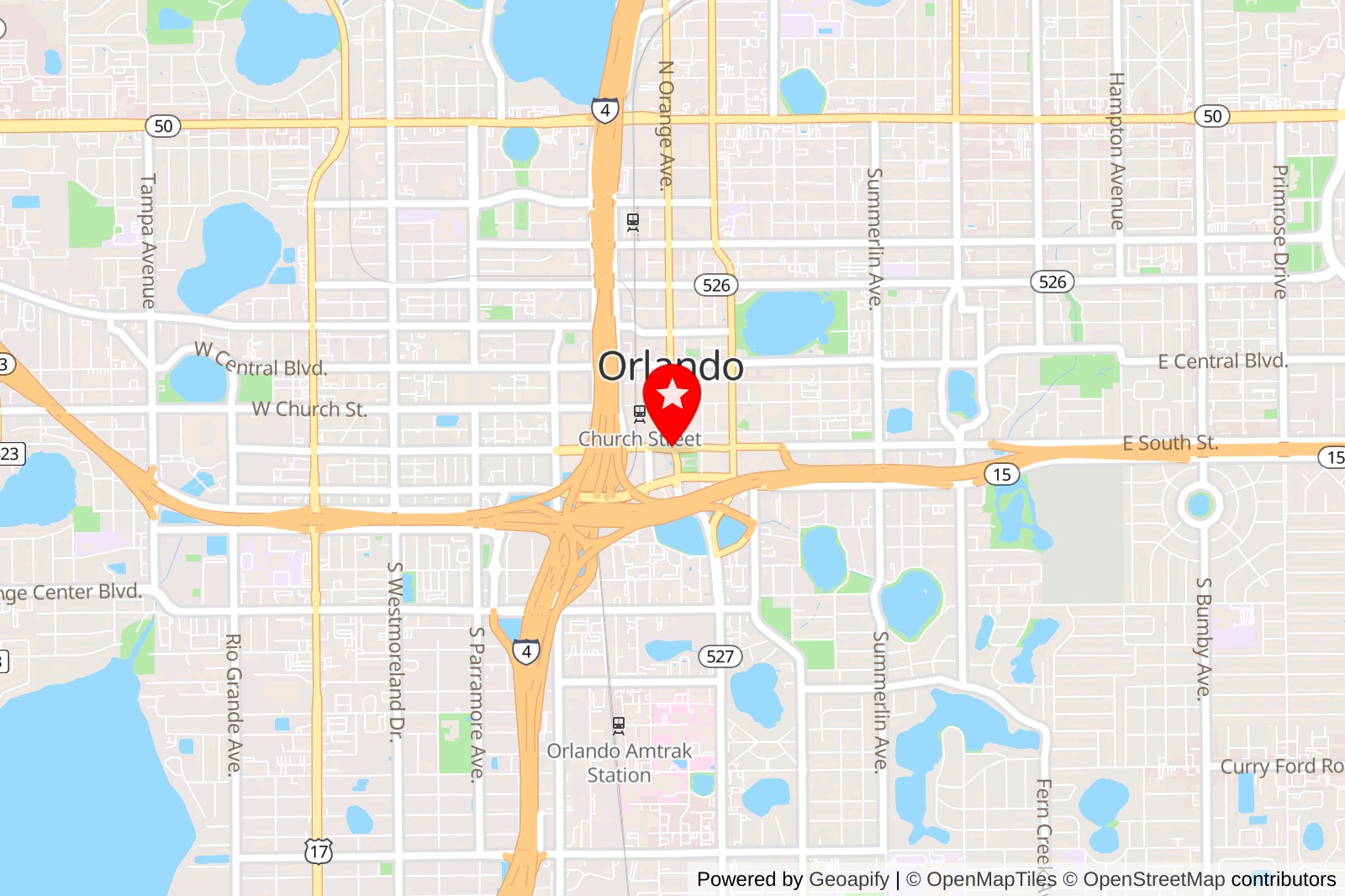
Orlando is a major city in central Florida known for its theme parks and tourism industry. It draws millions of visitors each year for large attractions, hotels, and entertainment options.
The city also serves as a regional center for business and government. City Hall and other municipal offices provide services to residents and local businesses.
Orlando has a warm, humid climate with mild winters. This weather supports outdoor recreation nearly year-round.
Rating: 4.7 (214 reviews)
Location: Orlando, Florida
Contact: 407.246.2121
Website: Visit Website
Geographic Distinctions
Orland and Orlando sit in very different parts of the United States and offer distinct weather patterns, landscapes, and regional roles. One is a small Northern California town in agricultural foothills; the other is a major Central Florida metro and tourist hub.
Location and Regional Influence
Orland, California lies in Glenn County in the Sacramento Valley foothills of Northern California. It functions mainly as an agricultural service town with local schools, county services, and a smaller population. Roads link it to nearby Chico and the broader Sacramento Valley, but it does not anchor a large metro area.
Orlando, Florida sits in central Florida and is the core of the Orlando-Kissimmee-Sanford metropolitan area. It serves as a major tourism, convention, and economic center with large-scale transportation links, including a busy international airport. Its regional influence reaches throughout Central Florida and affects statewide tourism and job markets.
Key differences:
- Orland: rural, county-level services, close to farming regions.
- Orlando: urban, major tourist economy, regional transportation, and convention hub.
Climate Differences
Orland has a Mediterranean-influenced climate: hot, dry summers and cool, wetter winters. Summer temperatures often climb into the 90s°F (32–35°C), and rainfall concentrates in the winter months. This pattern supports dry-farming and irrigated crops common in the Sacramento Valley.
Orlando experiences a humid subtropical climate with hot, humid summers and mild winters. Summer afternoons are frequently wet with thunderstorms and high humidity, while winter lows are usually mild, rarely dropping below freezing. The climate fuels year-round tourism and supports subtropical vegetation like palms and live oaks.
Climate contrasts at a glance:
- Orland: drier summers, winter rain, greater temperature swing between seasons.
- Orlando: higher humidity, frequent summer storms, milder winter temperatures.
Historical Backgrounds
This section outlines when and why each place formed, and the major events that shaped their economies and identities. It contrasts Orland, California’s small-town agricultural roots with Orlando, Florida’s growth from citrus center to a major tourism and tech hub.
Founding and Naming Origins
Orland, California began as a small agricultural community in the late 19th century. The town formed around farming and ranching, with a modest population that relied on local crops and county services. Its name comes from a local or regional naming decision tied to settlers of the period rather than a famous individual.
Orlando, Florida was incorporated in 1875 with about 85 residents. Early settlers developed the area near lakes and used its fertile land for citrus groves. The city’s name has several local origin stories, including one tied to a soldier named Orlando Reeves; city histories note debate but accept the late-19th-century naming and formal incorporation date.
Key Events Shaping Each City
Orland’s growth stayed tied to agriculture and small-town institutions. Key moments include the establishment of transport links for crops, the creation of local government services, and community-focused events that kept the population stable but modest. Economic shifts in California farming and water management influenced its development through the 20th century.
Orlando experienced major changes from the late 1800s onward. The citrus boom built its early economy, while a severe freeze in the 1890s caused widespread crop loss. The 20th century brought major shifts: the development of theme parks and tourism transformed the city into an international destination. In recent decades, leaders have worked to diversify the economy with technology, digital industries, and cultural institutions to reduce dependence on tourism.