You might think Orland and Oroville are the same place because their names sound alike, but they serve different people and offer different lifestyles. This article helps someone quickly spot the key differences so they can pick the right town to visit, live in, or research.
It will guide you through each town’s character, where they sit on the map, and what daily life looks like in each community. The piece stays clear and practical, so someone can move from confusion to confidence fast.
1) Orland
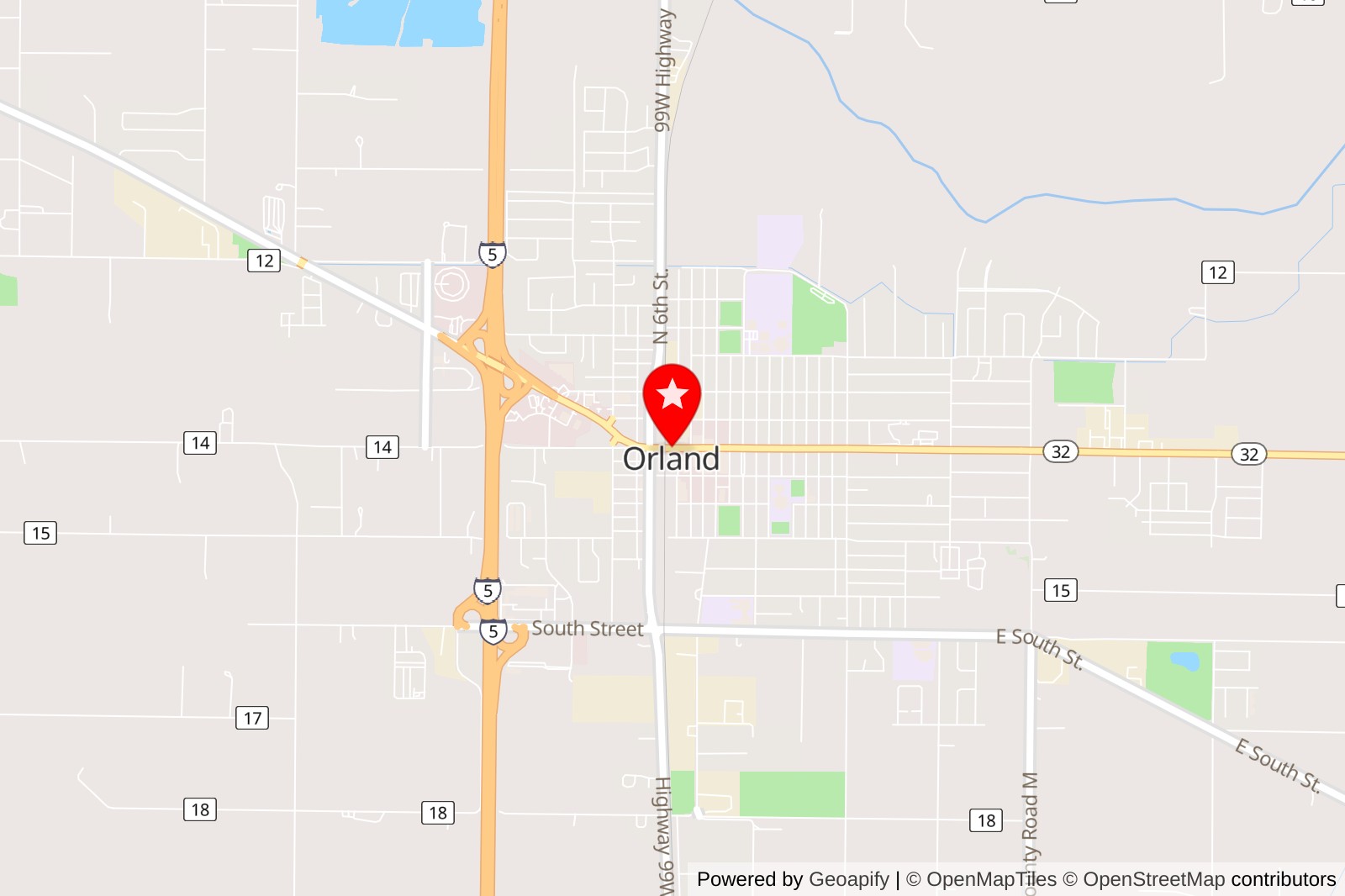
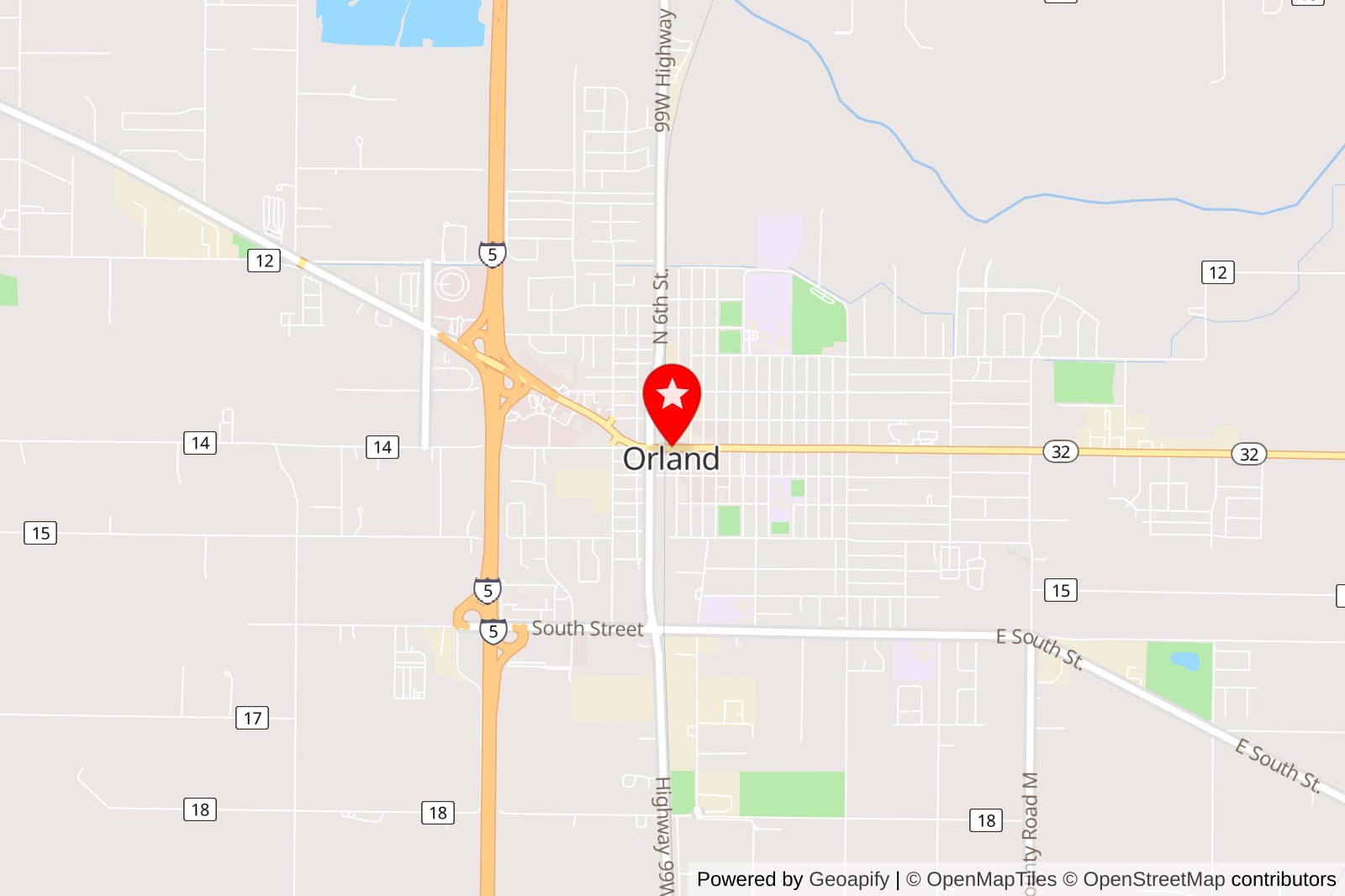
Orland is a small town in northern California. It sits in a farming region and serves as a local hub for nearby farms and ranches.
The town has a calm, rural feel with wide streets and small downtown shops. Residents rely on local services and schools, and community events are common.
Orland lies along state roads that connect it to larger cities. This makes it easy for people to travel for work or shopping while living in a quieter place.
Visitors will notice agricultural fields and a pace that differs from bigger cities. Local businesses focus on everyday needs rather than tourist attractions.
Location: Orland, CA 95963
2) Oroville
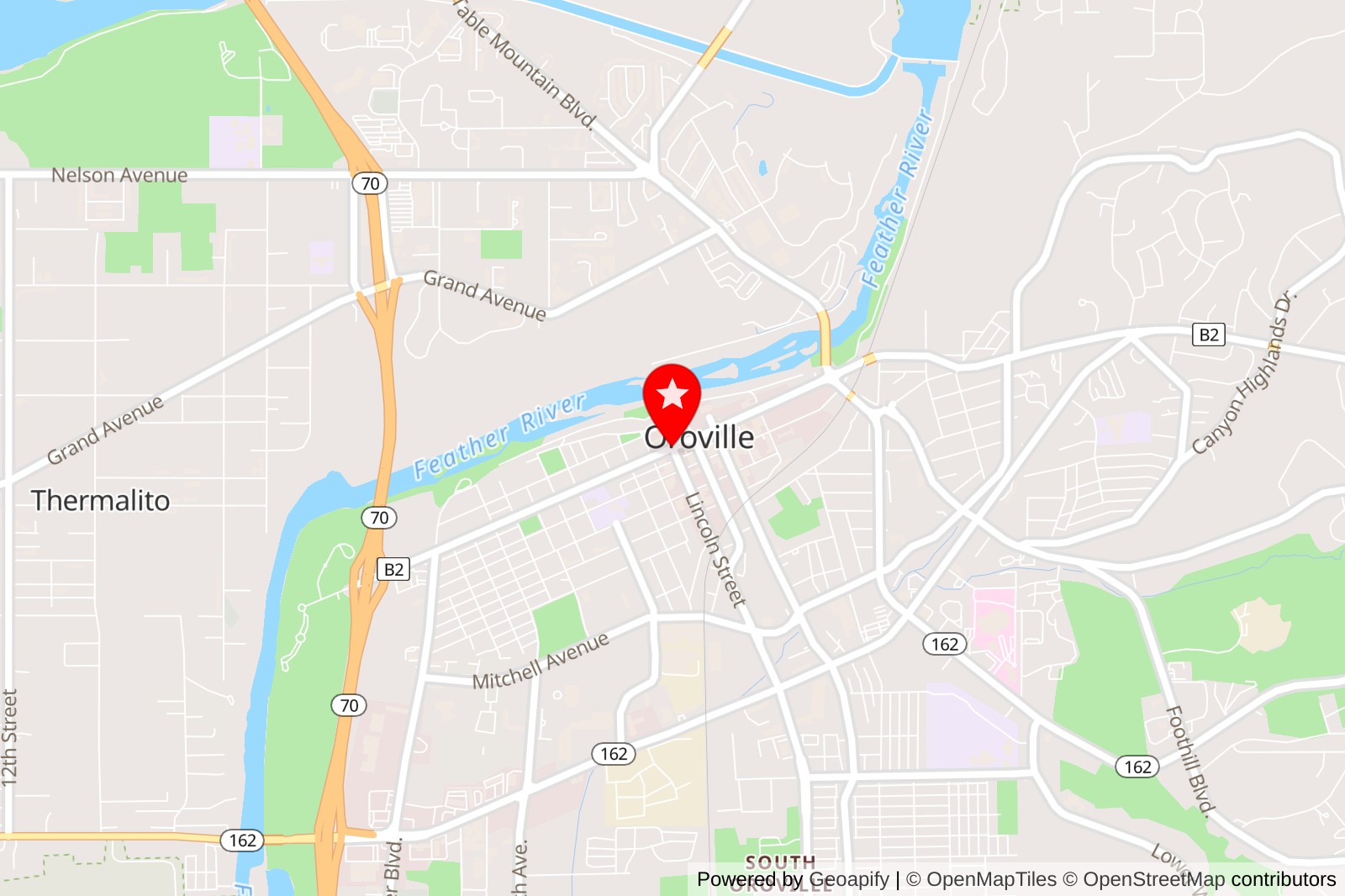
Oroville sits in northern California near the Feather River. It serves as a regional hub for agriculture, outdoor recreation, and local services.
The city is known for its proximity to Lake Oroville and nearby parks. Residents and visitors use the lake for boating, fishing, and camping, and trails around the area draw hikers and birdwatchers.
Oroville has a small downtown with shops, restaurants, and city services. Local events and community programs keep the town active year-round.
Location: Oroville, California
Website: Visit Website
Geographic Differences
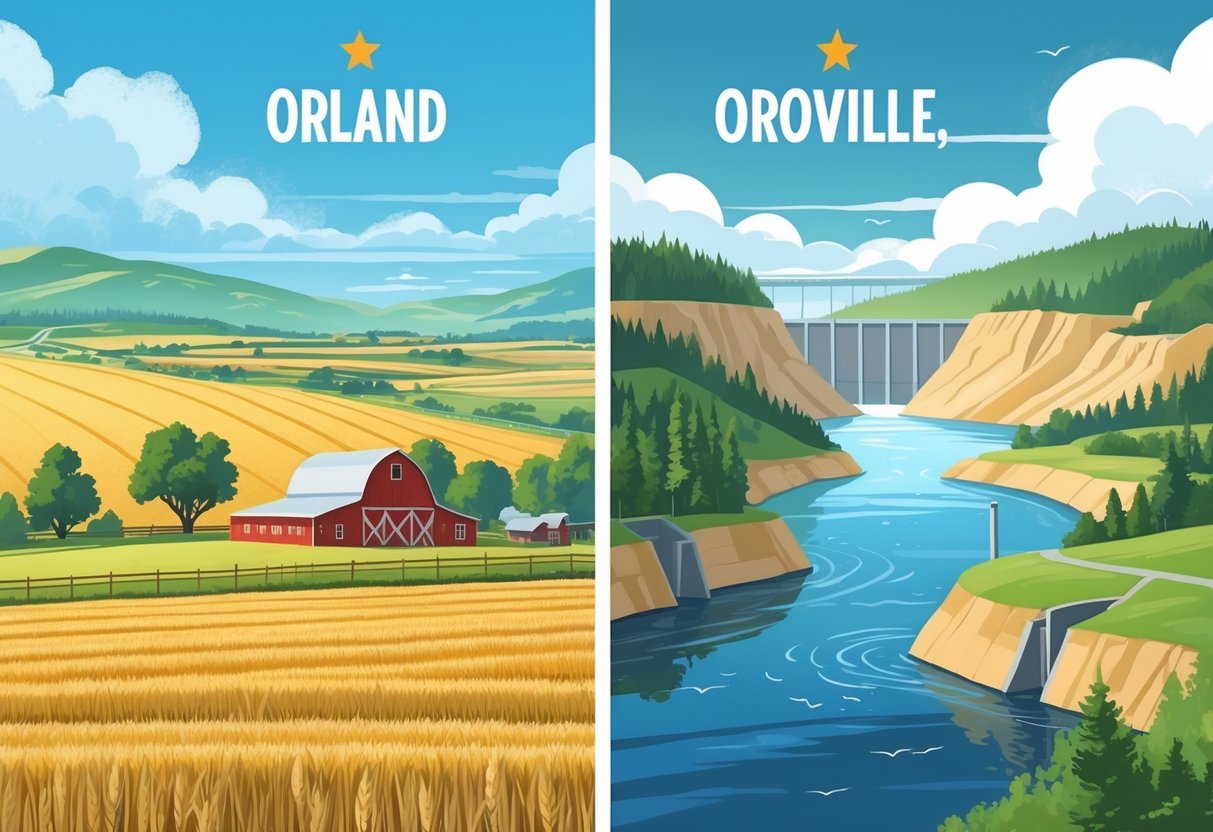
Orland sits in Glenn County on the Sacramento Valley floor. Oroville lies about 50 miles northeast in Butte County, near the Sierra Nevada foothills and Lake Oroville. Distances, commute times, and housing settings differ and shape daily life.
Location and Accessibility
Orland is west of Interstate 5 and closer to agricultural plains. It has short local drives and a small downtown grid. Residents often travel south or north on Highway 99 or county roads for shopping and services. Commute times tend to be shorter in Orland than in Oroville, but Orland’s longer commutes appear in some comparisons depending on the exact job locations.
Oroville sits northeast of Chico and near State Route 70. It links more directly to foothill and mountain routes. Driving to nearby cities like Chico or to the foothills around Lake Oroville takes longer than most local trips in Orland. The estimated driving time between the two cities is about 45–50 minutes on typical routes.
Regional Climate Variations
Orland experiences hotter summers and generally drier conditions typical of the valley. It records fewer rainy days than Oroville and slightly more sunny days, which affects outdoor work and crop patterns. Temperatures can rise sharply in summer, influencing irrigation and energy needs.
Oroville, closer to higher terrain and a large reservoir, gets more rain and a milder summer heat. The presence of Lake Oroville and the foothills brings cooler nights and more microclimates within short distances. These differences matter for gardening, tourism, and flood management.
Community Profiles
Orland and Oroville are small Northern California cities with different sizes, housing costs, and commute patterns. One city is more affordable with shorter commutes; the other has a larger population and more parks and services.
Demographics and Lifestyle
Orland is smaller, with an urban area population of nearly 9,400. It has a tight-knit, small-town feel and a lower overall cost of living than many California cities. Residents often own homes, and households are typically family-oriented. Crime data shows moderate totals for a town of its size, so safety concerns are local and specific to neighborhoods.
Oroville is larger, with about 19,000 residents. It offers more public parks and outdoor recreation, and a sparser suburban feel. The population skews toward families and long-term homeowners. Lifestyle in Oroville includes more civic amenities and conservative-leaning community norms. Commute times are shorter in Oroville than in Orland, where average drive times are about 8.4 minutes longer.
Economic Overview
Housing costs differ noticeably. Orland’s mean home prices in recent years have been in the low-to-mid $300,000s, with mobile homes significantly less; median rents are around $1,100. The local economy is driven by agriculture and small businesses, and the cost-of-living index is below the U.S. average, supporting affordability for many residents.
Oroville’s housing and living costs trend higher than Orland’s by roughly a quarter in some comparisons. The city supports a broader set of jobs in retail, services, and public sectors tied to county functions and tourism around nearby recreation areas. Poverty and income levels vary by neighborhood, so economic conditions can feel different block to block.